


Space Remote Sensing

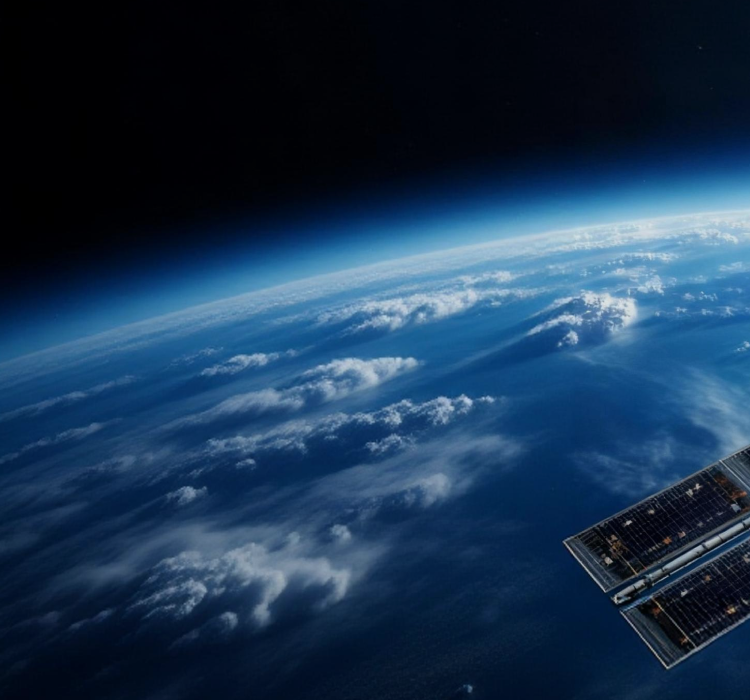
With the rapid development of aerospace optical remote sensing technology, quantifying remote sensing information and achieving quantitative management, analysis, prediction, and simulation of massive observation data is currently one of the important development directions.
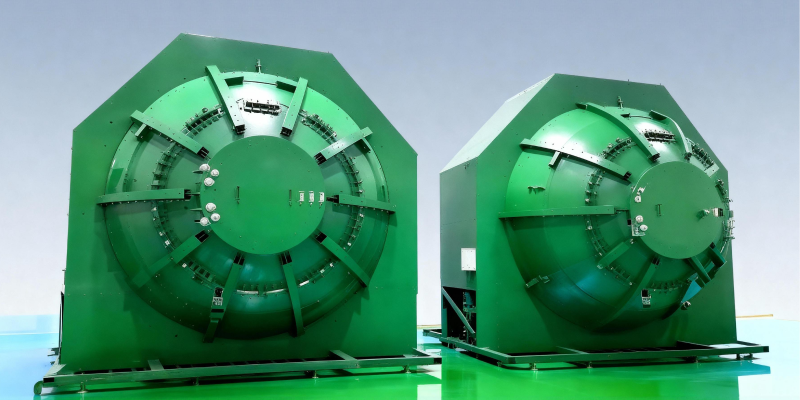
Radiometric calibration is an important step in the development of space optical cameras, which serves to establish a response function between the radiation input and electrical signal output of the space optical camera. The laboratory radiation calibration of space optical cameras should follow the principles of full aperture, full field of view, and end-to-end. As the standard light source for laboratory radiation calibration of space optical cameras, the extended radiation source should be able to illuminate the camera with full aperture and full field of view. Therefore, the extended radiation source should have a larger opening diameter and ideal diffusion performance. Large aperture integrating sphere light source is an ideal uniform and diffuse extended source, and is widely recognized as a radiation calibration extended radiation source for space optical cameras.
The radiation calibration main system consists of an integrating sphere uniform light source, intelligent control software, and fully automatic image processing software. The radiometric calibration system can correct the performance of camera imaging devices (CCD/CMOS) by eliminating response errors between each pixel of the imaging device (CCD/CMOS) and linearity errors in the device's response to changes in radiance through radiometric calibration system correction.
The radiation calibration main system consists of an integrating sphere uniform light source, intelligent control software, and fully automatic image processing software. The radiometric calibration system can correct the performance of camera imaging devices (CCD/CMOS) by eliminating response errors between each pixel of the imaging device (CCD/CMOS) and linearity errors in the device's response to changes in radiance through radiometric calibration system correction.